
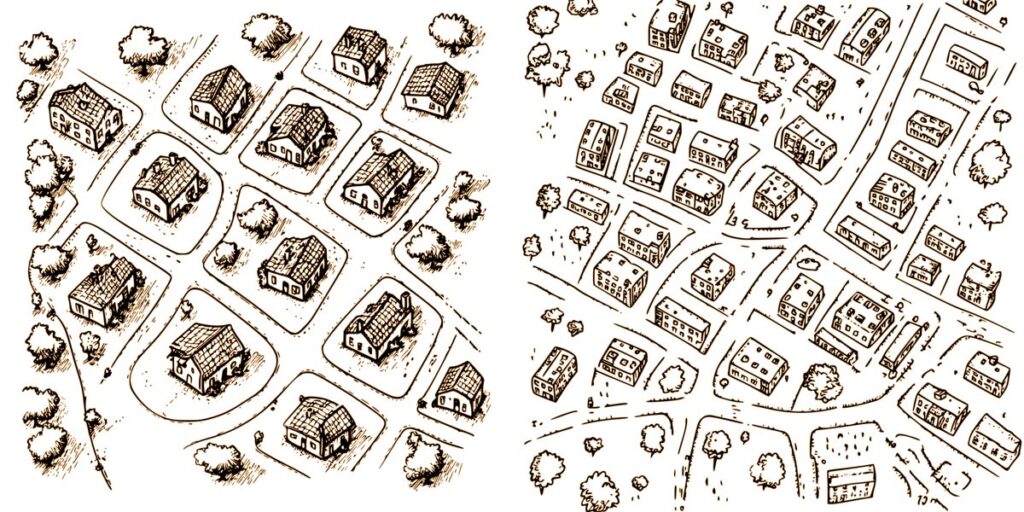
Nestled just south of bustling downtown Portsmouth, the Wibird Area is a neighborhood often bypassed by the quickest routes — but for those who slow their steps, its gentle streets and handsome homes reveal a layered tapestry of local history and enduring charm. The Wibird Area is more than a collection of tidy avenues and historical houses; it is a living relic that has grown with the city itself, carrying whispered stories of Portsmouth’s past in its leafy avenues and porch-lined lanes.
The Origins of Wibird: A Name with a Story
At the center of the neighborhood’s identity is its unique name: Wibird. Unlike many Portsmouth locales with clear nautical or colonial nomenclature, Wibird is a name that invites curiosity. The street at the neighborhood’s heart—Wibird Street—derives from Wibird Penhallow, an important 18th-century Portsmouth figure. Born in 1695, Penhallow was an esteemed merchant and served as Justice of the Superior Court. He was a man of learning and letters, whose family helped shape the cultural and economic fabric of early Portsmouth.
The choice to memorialize Wibird Penhallow in this way reflects not just a marker of place, but the city’s custom of tipping its cap to citizens who left their mark, ensuring that history and geography are woven together in the daily lives of residents.
Colonial Roots: Wibird in the Early Portsmouth Landscape
The earliest roads of Wibird Area were plotted as Portsmouth expanded inland from the waterfront, mirroring the town’s shift from shipbuilding and trade to quieter, family-centric living. By the early 1800s, what is now Wibird Street ran through farmland and orchards owned by a handful of families whose names still adorn Portsmouth records. The neighborhood’s tree-lined avenues were planted with intention, providing tidy borders and shade for the elegant houses that would arise in the decades to come.
- Wibird Street itself anchors the area, running north to south and connecting with Highland, Islington, and Lincoln Avenues.
- Side streets such as Elwyn, South, and Rockland soon followed, creating a grid that would define the neighborhood’s gentle rhythm.
Key Historical Milestones
As the city grew, so did the Wibird Area’s role in Portsmouth’s development:
- Late 19th Century: The Wibird Area blossomed as a residential enclave, marked by the construction of stately Victorian homes, many still standing today, with their gingerbread detailing and broad porches.
- Early 20th Century: With Portsmouth’s population on the rise, Wibird witnessed the addition of Arts and Crafts bungalows and Colonial Revival houses, attracting families eager for proximity to the downtown but in search of larger lots and quieter streets.
- Postwar Era: The mid-20th century brought modest ranch homes and the rise of community parks, including Leary Field at the southern edge of the neighborhood, where generations of locals have played baseball, cheered little league teams, and gathered for summer evening strolls.
- Recent Decades: Preservation efforts have been key, with many homes lovingly restored to their period glory. Community-led projects champion walkability and the maintenance of green spaces, ensuring the area retains its neighborly feel even as Portsmouth continues to grow.
Landmarks and Institutions: Anchors of Memory
One of the joys of the Wibird Area is that it is, at heart, a residential community, but it is not lacking in landmarks:
- Leary Field: Much more than just a ballpark, Leary Field is a local institution. It serves as a gathering spot for school games, family picnics, and neighborhood events.
- Historic Homes: The grand Victorian and Colonial homes lining Wibird Street, Lincoln Avenue, and Elwyn Avenue are a visual feast, their facades testaments to changing tastes and times in architecture.
- South Playground: This pocket park off South Street is where children’s laughter echoes among swings and slides, a reminder that neighborhoods are built on more than bricks and mortar.
- Nearby Institutions: Just beyond the neighborhood’s informal borders, Portsmouth High School and the Portsmouth Public Library serve as educational and cultural anchors utilized by Wibird residents young and old.
The Neighborhood Today: Evolving with Grace
Modern-day Wibird Area is a study in Portsmouth’s quiet resilience. While neighboring streets might pulsate with the lively bustle of tourists heading to Market Square or the seacoast, Wibird Area exudes a timeless serenity—a place where neighbors chat over garden fences and older residents recall how the trolley once rumbled up Islington Street.
The neighborhood today is a blend of longtime locals and new arrivals, drawn by the same things that made it special a century ago: its walkability, its shade-dappled sidewalks, and that intangible sense of belonging that only comes from a place with deep, well-tended roots. The influx of thoughtful renovations and an appreciation for historic preservation have not altered the essential fabric of the area but have instead added fresh chapters to its ongoing story.
- Community groups now take care of neighborhood gardens along Elwyn and Highland
- Annual block parties and porch concerts foster new traditions, echoing the street socials of decades past
- The streets, once the province of horse-drawn carts, now see everything from bicycles to baby strollers, a tapestry of Portsmouth’s life in motion
The Heart and Heritage of Wibird Area
If you linger long enough on a front porch or at Leary Field’s byline, you’ll find that Wibird Area’s greatest asset isn’t just its architecture or even its location—it’s the enduring warmth of its community spirit. In this corner of Portsmouth, neighbors remember each other’s birthdays, pass down gardens with their homes, and share a keen sense of living in a place where history isn’t just preserved but lived each day.
So, the next time your footsteps or your curiosity bring you alongside the graceful turns of Wibird Street, take a moment to look up at the historic facades, listen for children’s laughter from the playgrounds, and reflect on how generations of Portsmouth residents have found—and continue to find—a home in this quietly remarkable neighborhood.